Forever 41
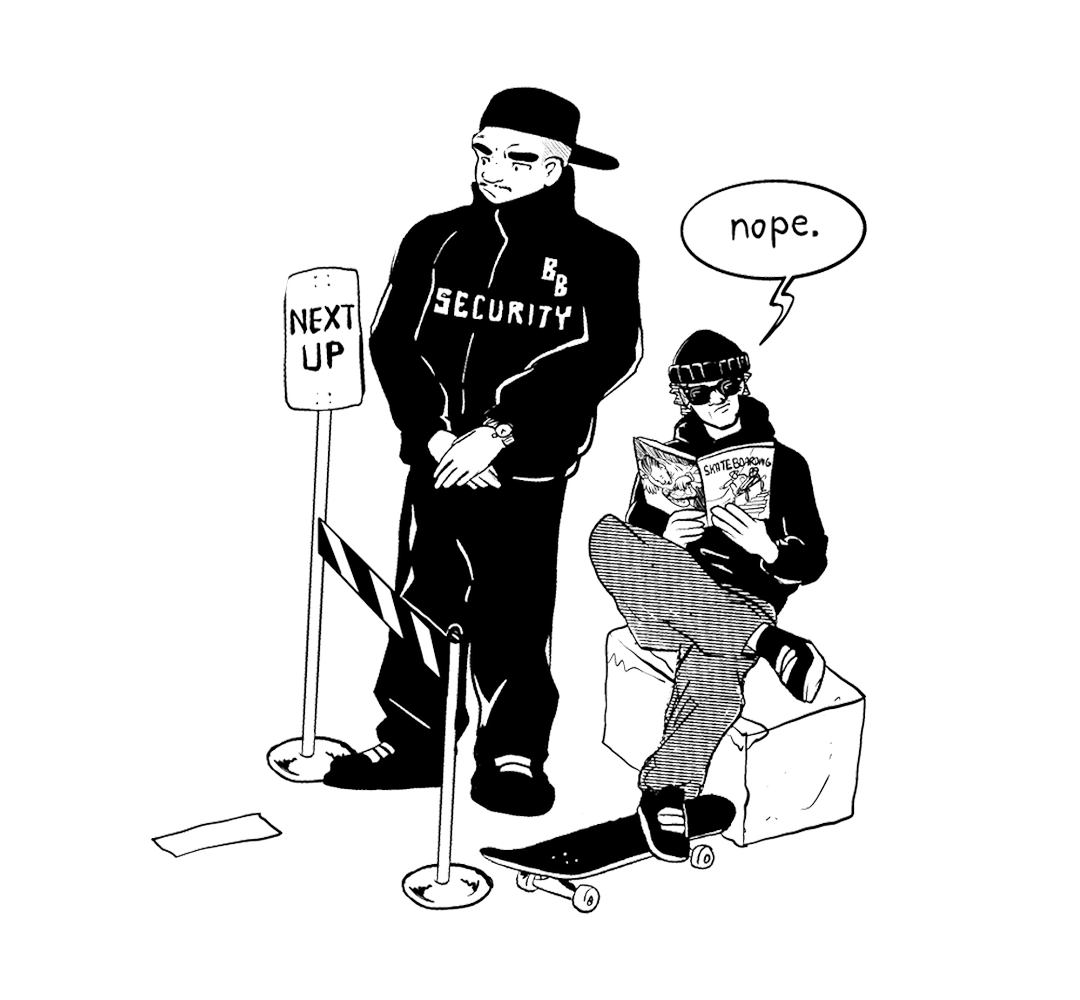
Are skate shops really turning into nothing more than time machines for dudes who have to pop an Ibu 600 before dropping in and wonder if their health insurance is gonna cover a meniscus tear? Between the board wall and the clothing racks, you can easily buy back a slice of your youth, loaded up with the exact same stuff that existed twenty years ago. Too bad the attitude is currently out of stock. We will check with the distributor.
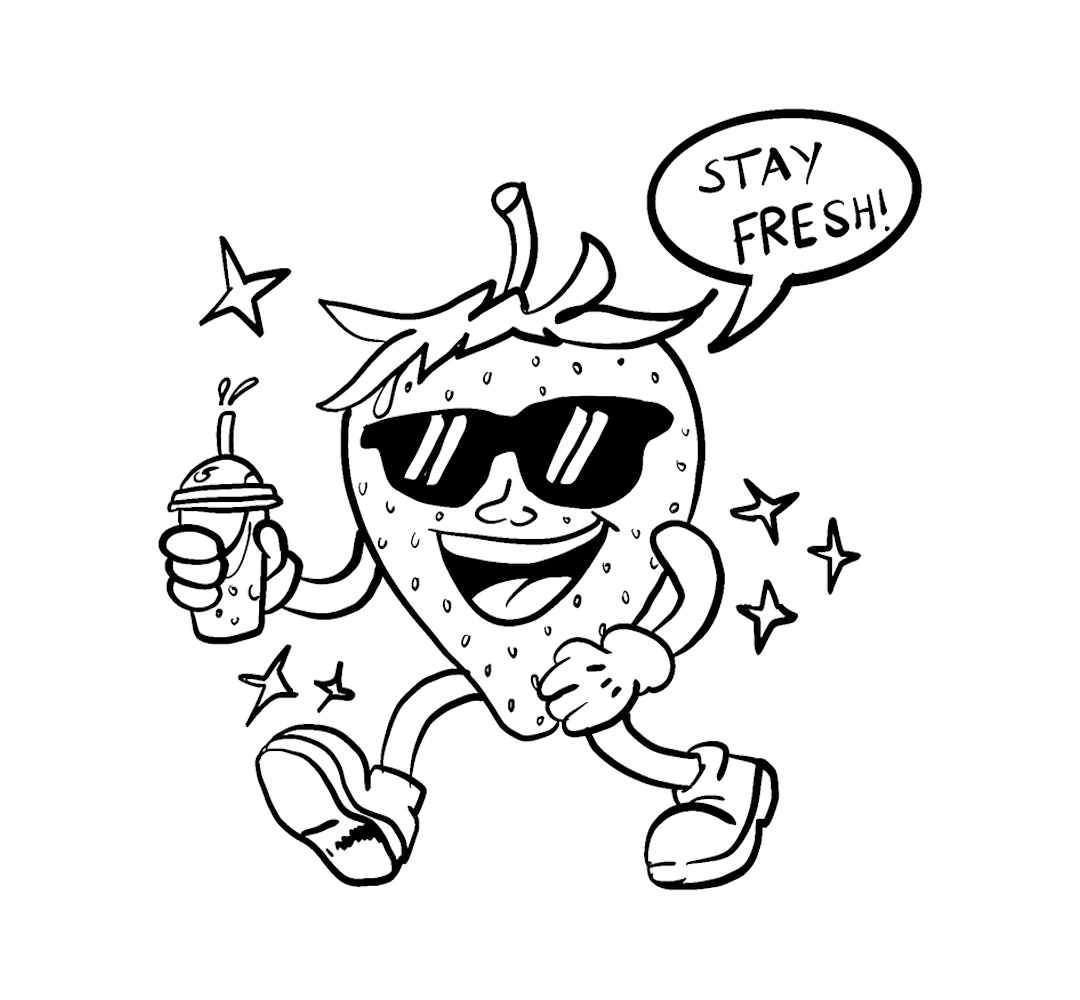
It feels like half of the skate industry is trapped somewhere between the toddler section and the phrase, "I used to have that back then." Some collections look like they borrowed the design department from a fast fashion kids brand for the weekend. Need a skull for that underground edge? Better not, some suburban mom might complain. Let us slap a cartoon strawberry in sunglasses on there instead, giving a thumbs up and whispering, "Stay Fresh" It will not traumatize anyone, it sells like crazy to the boys over in Jena.

Other brands apparently stopped creating new graphic files on their hard drives around 2010; a fashion era that definitely does not deserve a landmark status. Maybe it is all part of a master plan: trends always circle back anyway. Just keep printing the same tired graphics until someone walks in looking for a chilling bulldog shirt, You did not miss the boat, you just waited two decades for the next one.
Every once in a while, a guy pushing fifty shuffles in asking for a Santa Cruz tee. Totally understandable. Other guys buy a Harley and file for divorce, or vice versa. Compared to that, we are clearly the cheaper couple therapy. This is not about talking down to older skaters or banning nostalgia. The problem is not the Screaming Hand. The problem is that the industry has been slapping that exact graphic onto increasingly tissue-thin blanks for years, while nothing remotely relevant is being made. We see it across the counter every week: solid dudes with gray hair running their fingers over the new stock, completely baffled, asking us if the textile mill ran out of actual cotton and started using Kleenex. But who is actually getting the kids stoked, the ones who do not have a youth to buy back yet?
When we walk through the city and see kids skating in the streets, they are usually among the best-dressed people out there. Yet we hardly see them rocking classic skate brands anymore. It might look different at the skate park, where skateboarding is treated like gym class or an after-school hobby. The kids hitting street spots are reaching for something entirely different. Why do skaters today avoid looking like skaters? Because their own industry barely reflects their lifestyle anymore. You either get toothless greeting card graphics bought on a parent's credit card, or an endlessly reheated archive. If you are stuck in between, just starting to hate the world and figuring out who you are, the shelves are basically empty.
Skateboarding was never isolated. The real draw was always that it blended various subcultures together into its own distinct thing. The industry used to mirror that. Whether it was punk, hip-hop, or obscure electronic music, brands soaked up those influences, translated them with zero compromises, and gave you a clear badge of honor on the street. In turn, they shaped the very subculture that inspired them in the first place. Toy Machine and Zero shared similar musical roots back in the day. Their graphics, videos, teams, and humor were still completely different worlds. It gave you an undeniable identity. You connected with it, or you did not. Nobody gave a shit what outsiders thought, and nobody needed a corporate deck explaining why a drop was supposed to be authentic.
Anyone looking in from the outside today or trying to get into the culture will barely spot that spark in the catalogs or official clips. Everything is washed out so nobody gets offended, nobody catches a social media backlash, and the next corporate deal stays safe. The genuine vibe is still alive, but you have to dig deep underground for it. You will rarely find it in the front windows of most mainstream shops.
Right now, it feels like someone dumped those different worlds into a washing machine with a gallon of fabric softener. A tiny bit edgy, a tiny bit funny, slap a logo on the back, throw in another anime collaboration that looks identical to the previous one. It is only the fiftieth run, after all. Something for everyone, deeply connecting with nobody, and completely forgotten ten years from now. A brand is supposed to spark something you actually want to stand behind. Instead, most graphics look like they were rushed out to beat a Friday deadline.
We have kept a vintage rack in the shop for a long time, mostly filled with older skate tees. Looking through those prints, you stumble on stuff like the classic Alien Pope graphic from Alien Workshop. It was not screaming for attention, but it had a distinct voice. You do not have to be permanently offensive, but you should at least know who you are once the logo is stripped away. On top of that, you had heavy cotton, single-stitch seams, and the whole thing was made in the USA. Today, half the industry pulls the same two-dollar Gildan blank over your head. If an independent DIY brand uses them, fair enough. When an established, heavyweight label does it and demands sixty bucks or more, it is just greedy. With some modern shirts, you almost want to hug them goodbye before the first wash. No telling if you will ever see them in one piece again.

Sure, we romanticize the past. The garbage from back then ended up as shop rags under the sink and conveniently stays out of the conversation. Besides, we make money selling old tees. Our nostalgia comes with a stock keeping unit. Even so, kids still gravitate toward washed-out nineties band tees or worn-in skate relics because those pieces still have rough edges and carry actual character compared to generic off-the-rack stock. There is real history in the fabric you can push against. Today, the skate industry talks a big game about raw attitude, then delivers a logo in soft apricot.
In recent years, Fucking Awesome was one of the few brands that actually carried that independent swagger. A visual language you could recognize across the street without a name tag. The moment distribution blew wide open, that magic went out the window. Sales reps cheer the immediate bump in revenue, while the core customer who bought it to stay separate from the herd gradually bails. For the general public, the brand was still too raw. The indie shops that helped build it over the years stop ordering. Now the gear sits next to stunt scooters in suburban board sports chains where the floor staff think FA stands for Fantastic Adventures. Some twelve-year-old kid tries on a hoodie, his mom reads the label out loud, has a near-fainting spell, slaps the kid, and the piece ends up on the clearance rack at seventy percent off. That is the end of an exciting brand. Growth does not make everything better, but it makes many things worse.
Skateboarding used to be treated by corporate giants as a gritty image project. Today, it is governed by rigid pre-order quotas and a third round of Olympic marketing. There is virtually no daylight left between skate lines and regular performance sportswear. Anyone out in the streets hunting spots and waxing ledges could not care less about this sanitized athletic agenda. At the same time, the big suits demand street credibility from independent retailers, strictly within corporate boundaries of course, while dumping that identical product directly into online discount outlets to be cleared out.
After years of frustration, looking elsewhere was our only logical move. We are a physical shop that has to pay rent, obviously. Also, our employees need to eat. When your own industry leaves you cold, you turn right back to where that energy originated: independent projects, zines, and labels that refuse to cater to the lowest common denominator and push their own aesthetic without compromise. That is where we rediscovered the spark we had been missing. They are obsessing over custom fits, running fabrics that can survive a heavy wash cycle, and laying down embroidery that will not peel off after a week of wear. It might not say "skateboarding" across the chest, but it bleeds more original DIY spirit than the seasonal order forms of the actual skate industry.
Meanwhile, an established skate brand prints a rib cage on a tee, and suddenly every label in the trade studies human anatomy to push their own knockoff. Then everyone lines up to smile for the corporate sportswear giants. Maybe they will let you make a sneaker beige. If you are really lucky, maybe even black, assuming that is not considered too dangerous for the board of directors. Slap both logos on the tongue, post some fluff on LinkedIn about "subcultural dialogues," and pop champagne that skateboarding is finally as safe and thrilling as synchronized swimming.
The Olympic shift fits the pattern: fit in everywhere, ruffle zero feathers. Why should counterculture be dangerous when it can be house-trained? Hook everyone, fill every shopping district. Gear for the kids, their parents, and grandma walking out with a hoodie. A tidy family outing into rebellion, second floor on the left, right past housewares. Eventually you end up with points of sale on every corner, but nobody left who gives a damn.
We would love to stock skate gear again that someone puts on because it genuinely means something to them and mirrors who they are. Culture will always find its way out, it is part of living.
Until then, we will keep your youth on ice.
Forever 41. Do you have that shirt in an XL with the classic logo?

Text by Martin Schreiber
Illustrations by Sebastian Fuchs