When Stickers Were Political Weapons and Nobody Gave a Shit About Streetwear
Back in the late eighties, the word streetwear did not even exist. If you were creeping through derelict industrial wastelands and pitch-black back alleys with numb fingers and a racing pulse, you were definitely not daydreaming about seasonal lookbooks, staged drops, or marketing spreadsheets. Stickers back then were not shiny freebies to slap on a laptop lid. They were tiny, radical incendiary devices slapped onto rusty light poles and buzzing electrical boxes. They carried a blunt political message, spat right at the feet of authority, and yanked everyday pedestrians out of their numb routines for a split second. Obey crawled straight out of that grit. When Shepard Fairey cut the scowling face of wrestler André the Giant into cheap paper stencils at art school in 1989 and started plastering square miles of concrete with homemade wheatpaste, it was pure visual sabotage. Deciding to buy Obey online today means tapping straight into that unvarnished lineage: raw street propaganda from an era when putting art on concrete meant risking a beatdown from the cops.
2001: Giving the Billboard Sleeves
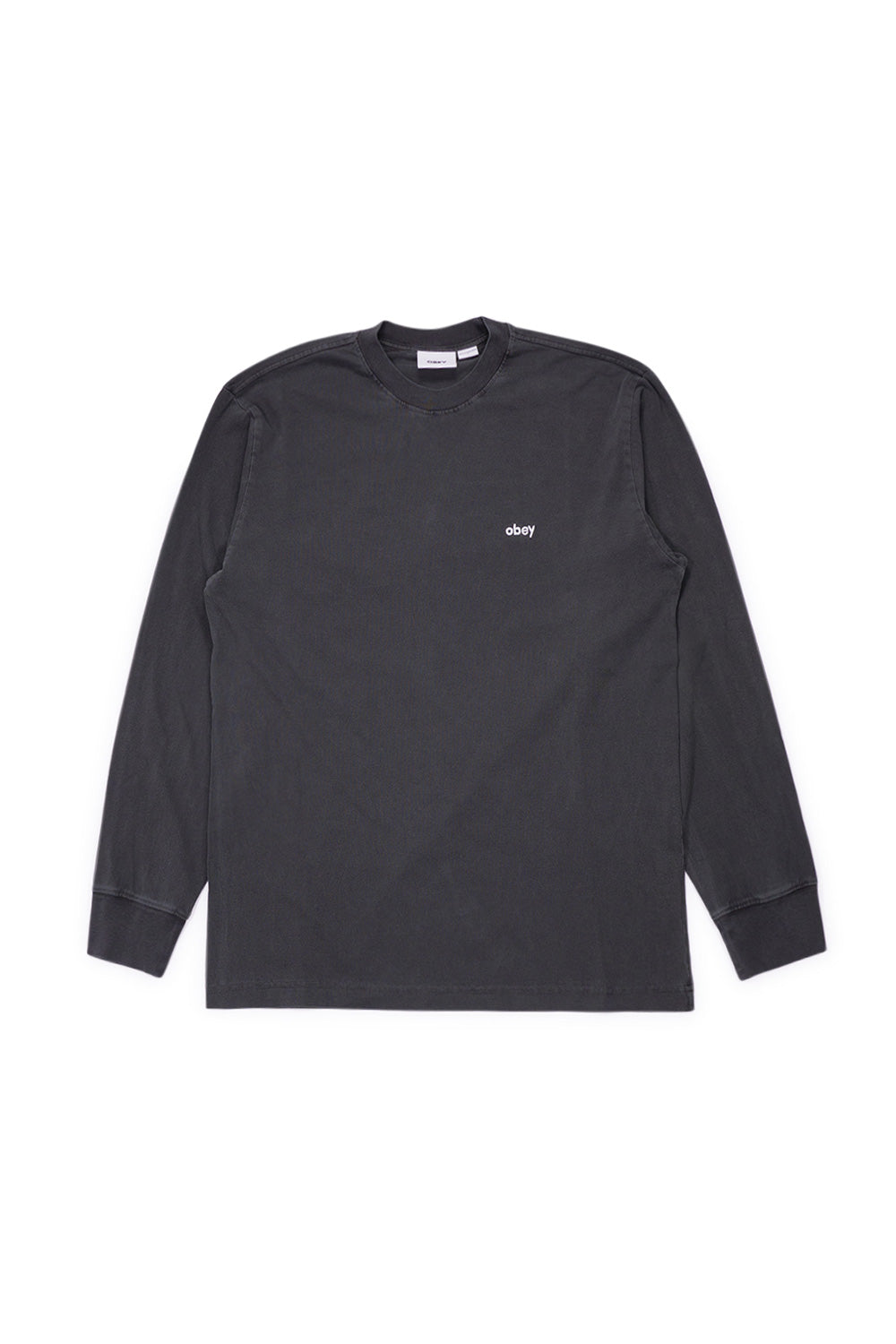
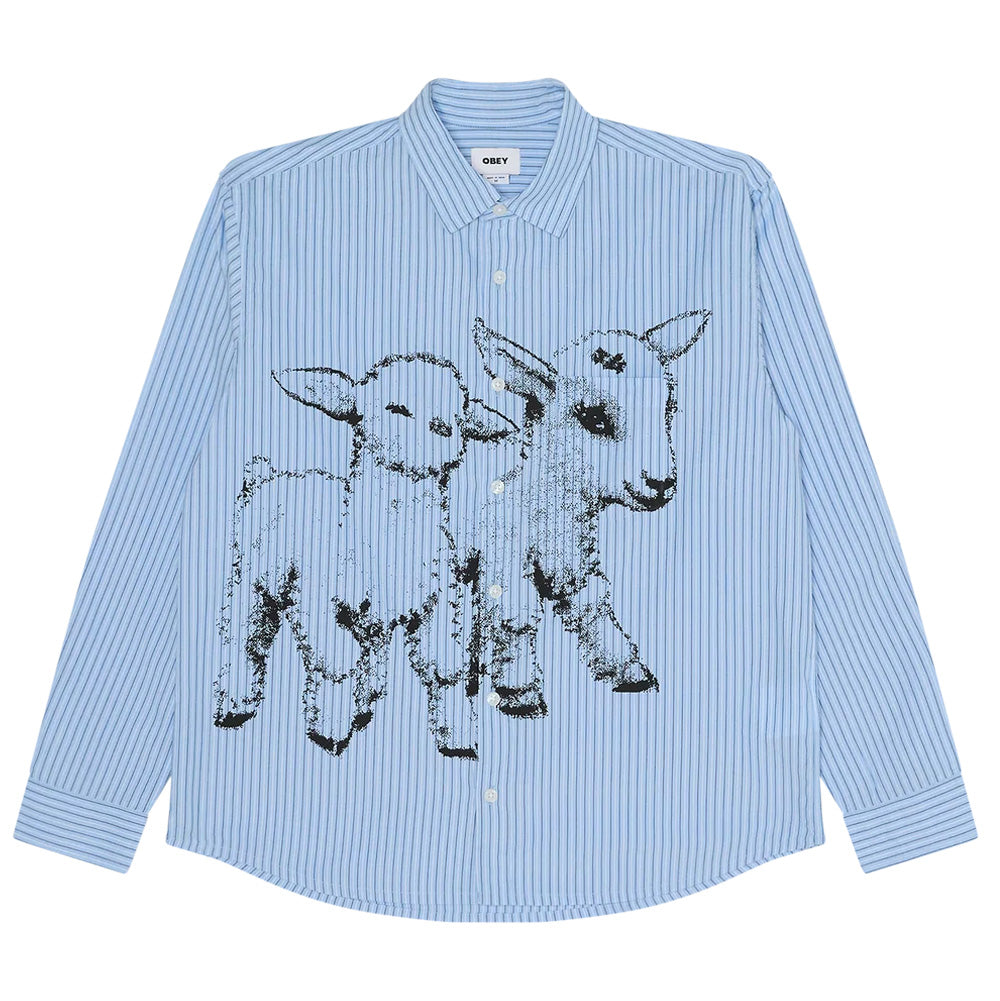
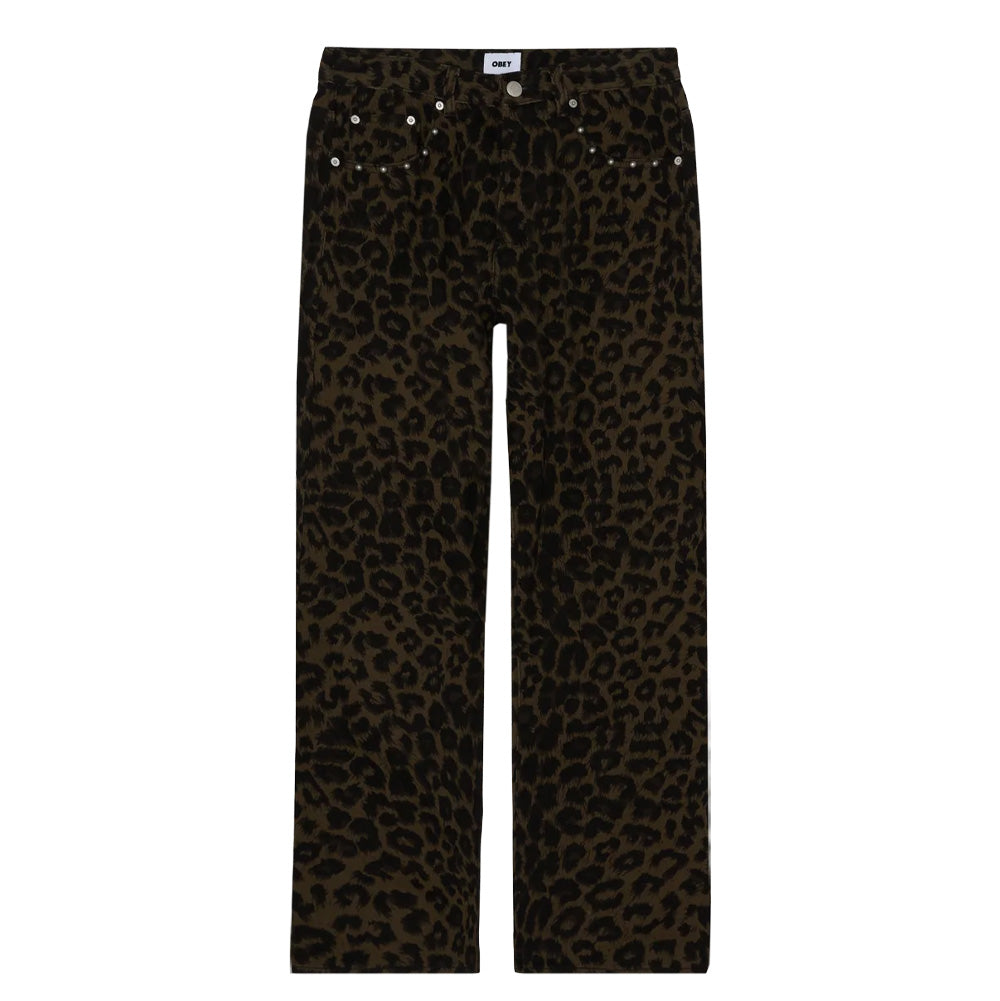
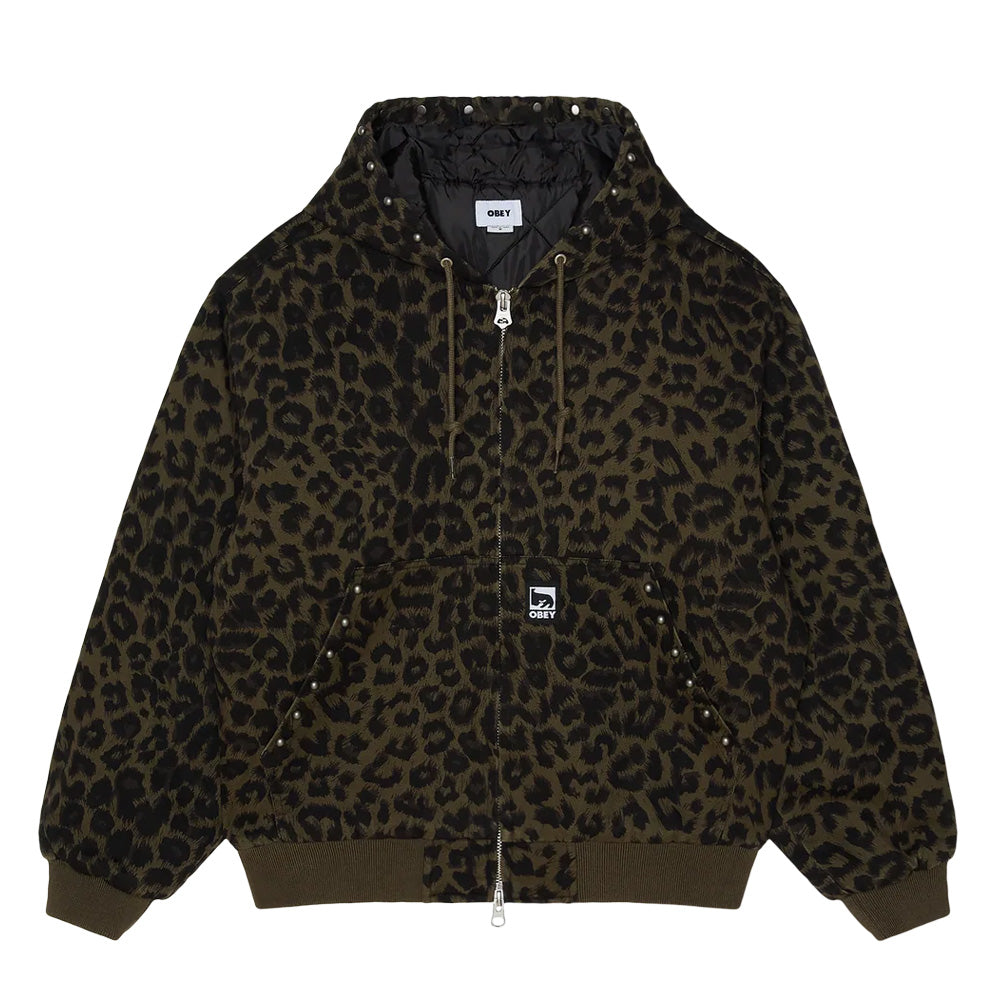
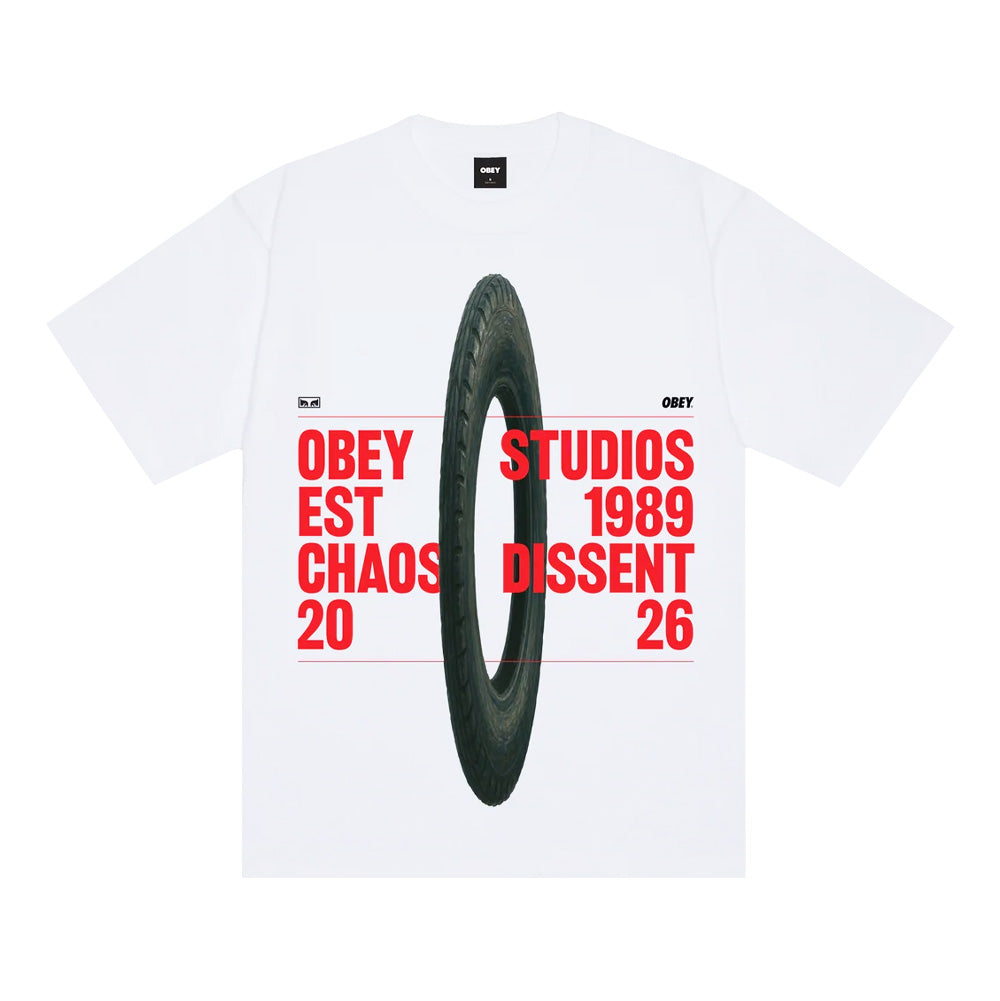
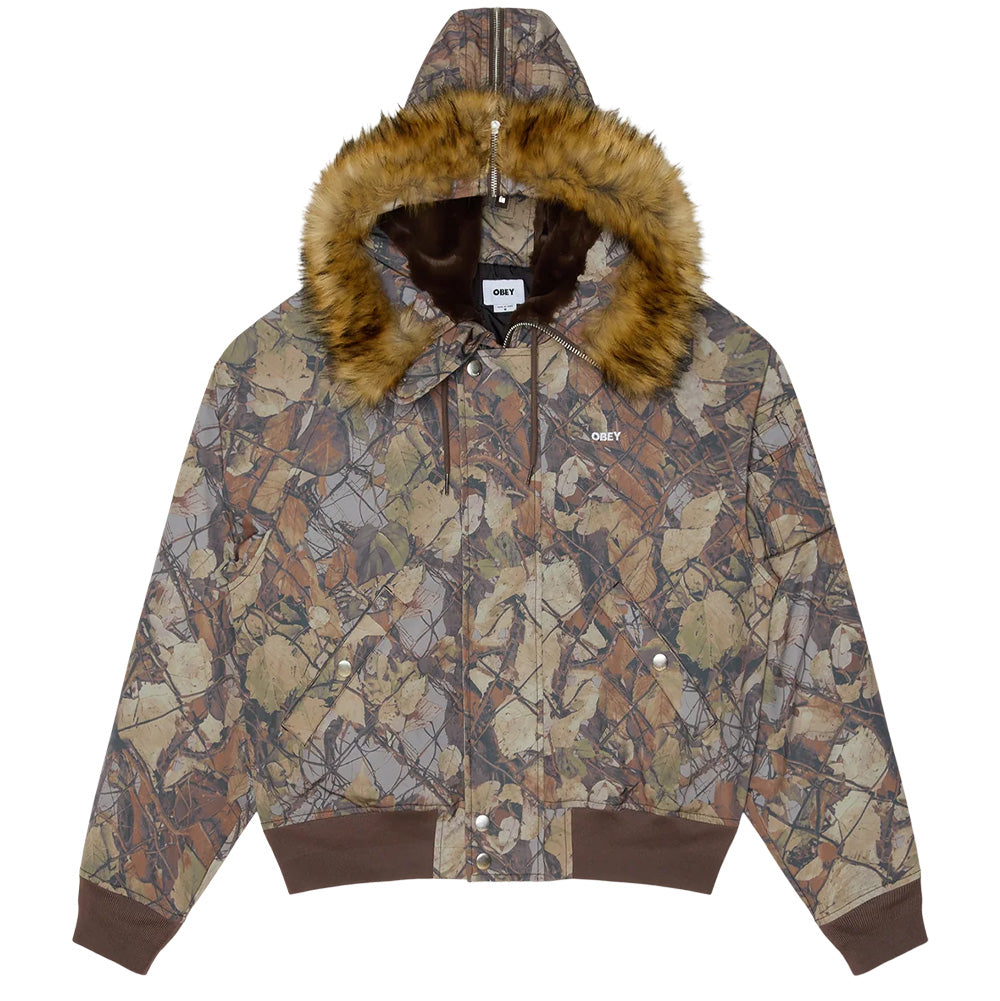
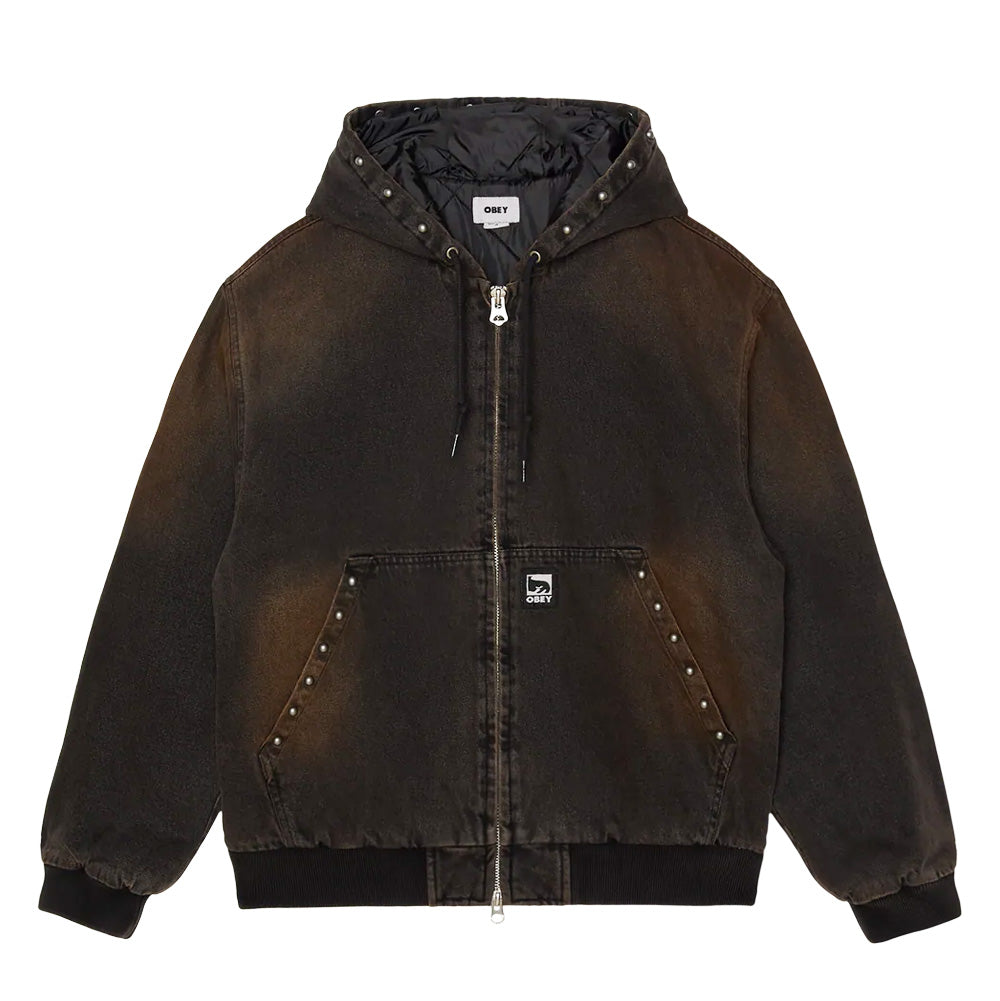
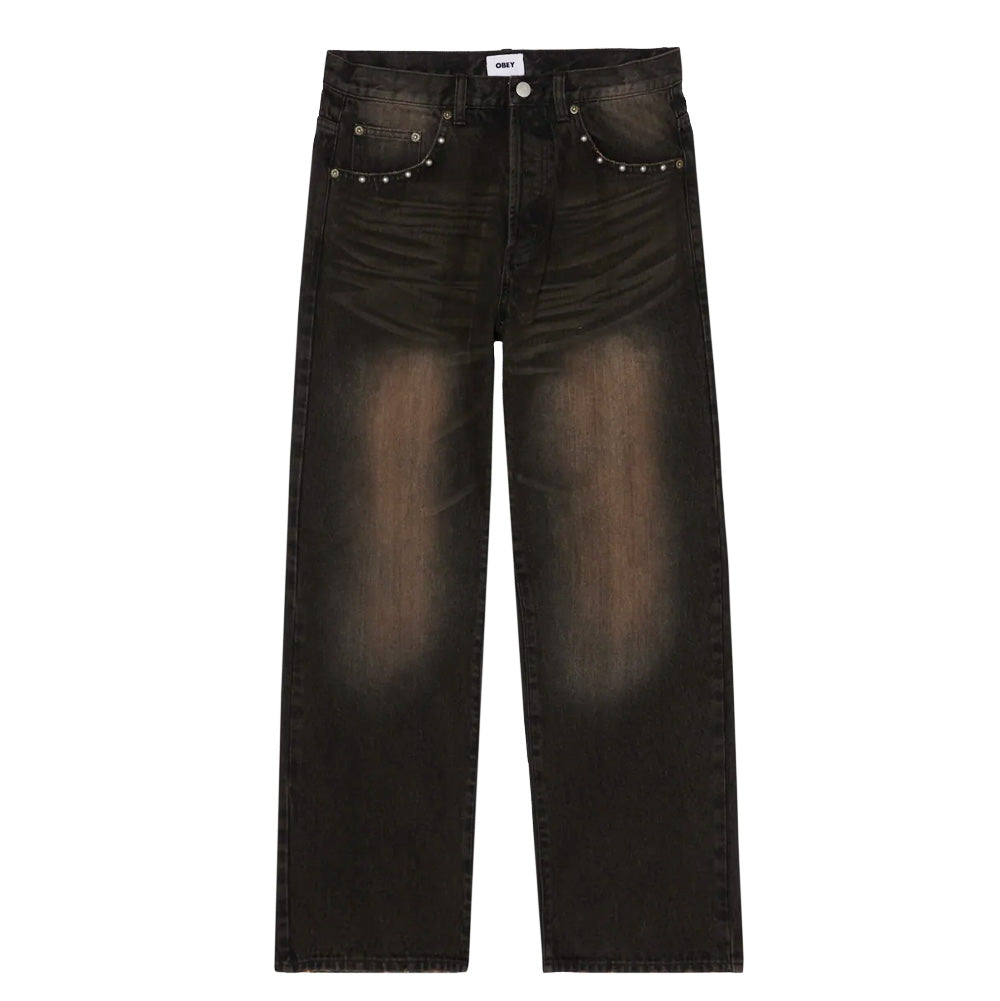
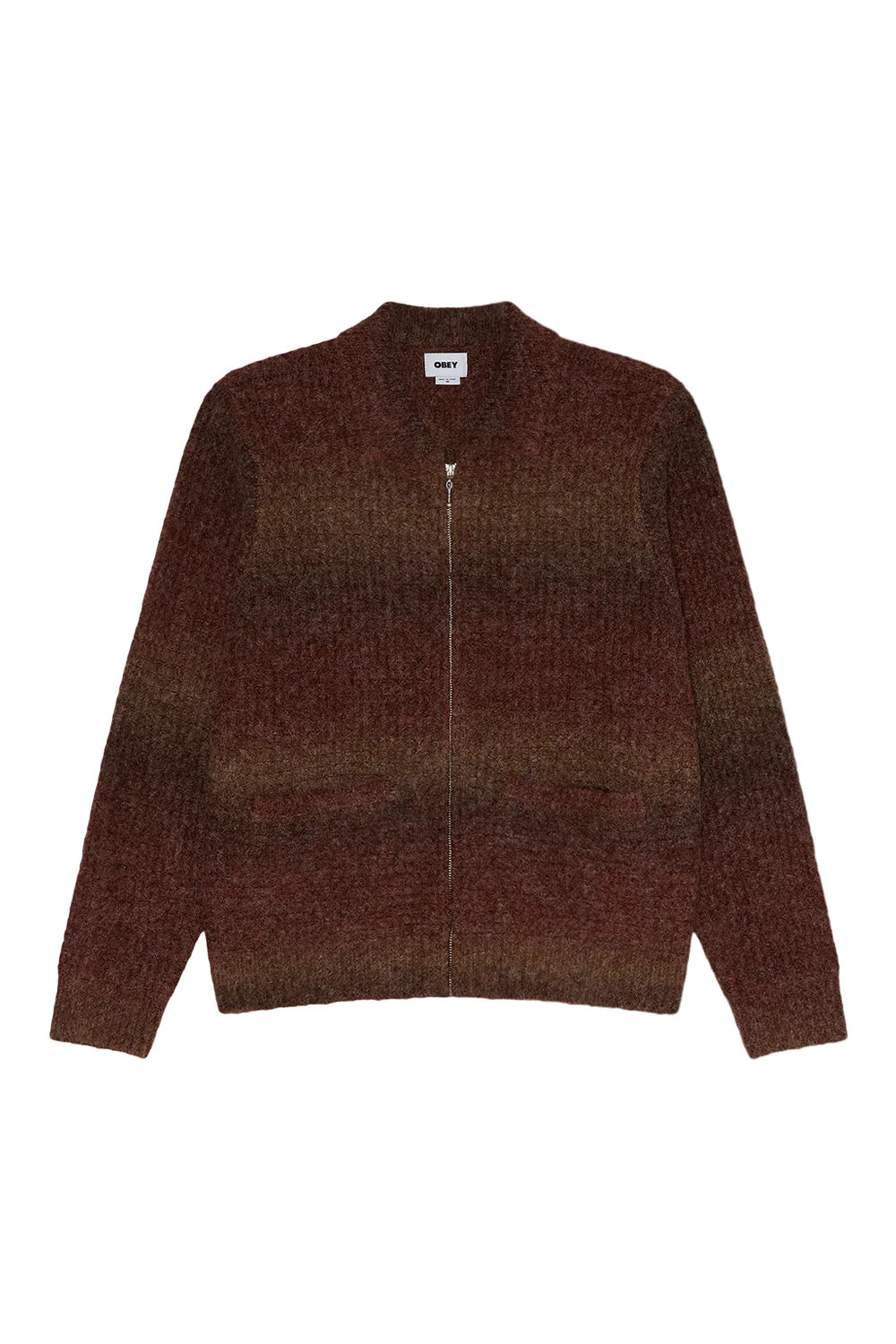
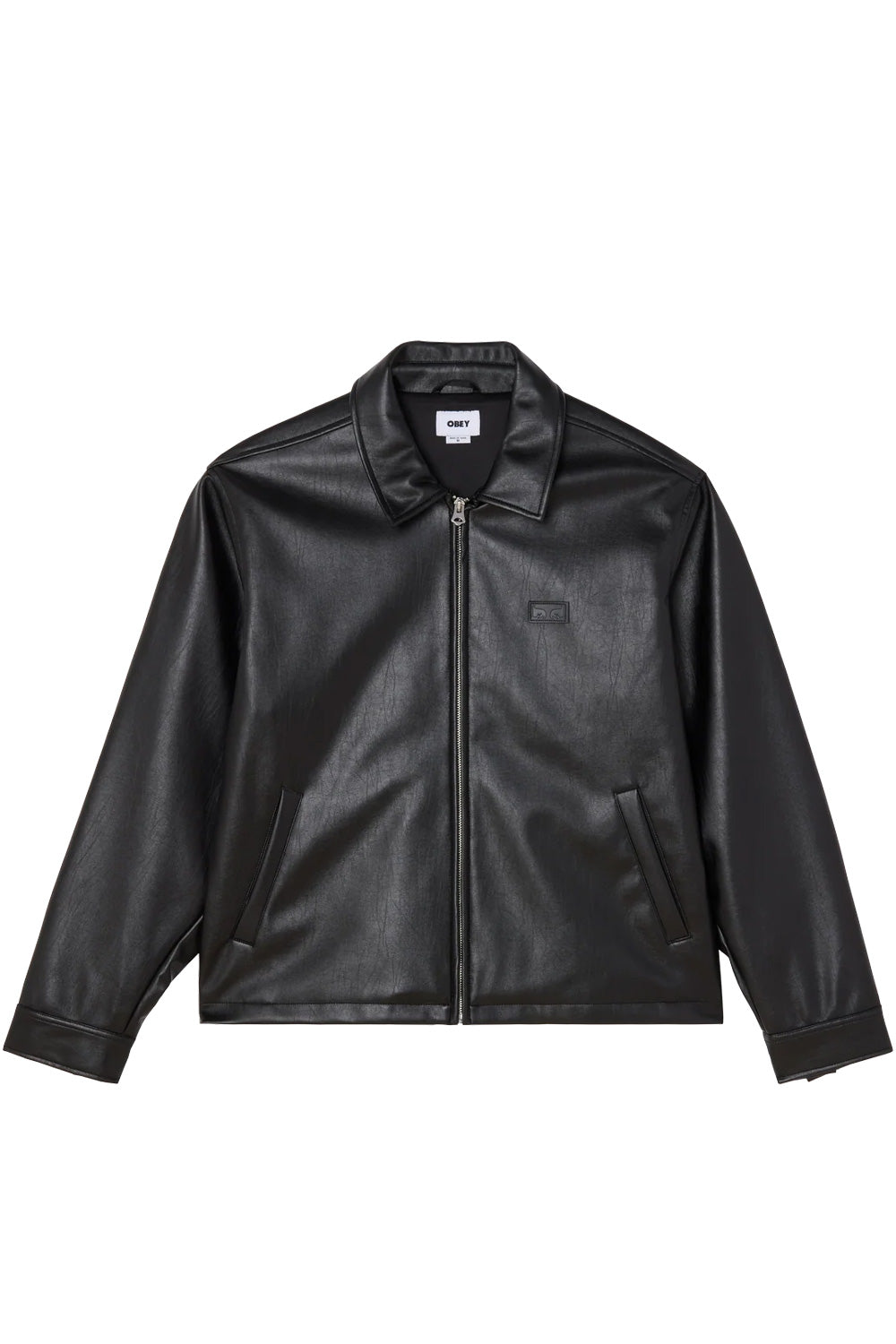
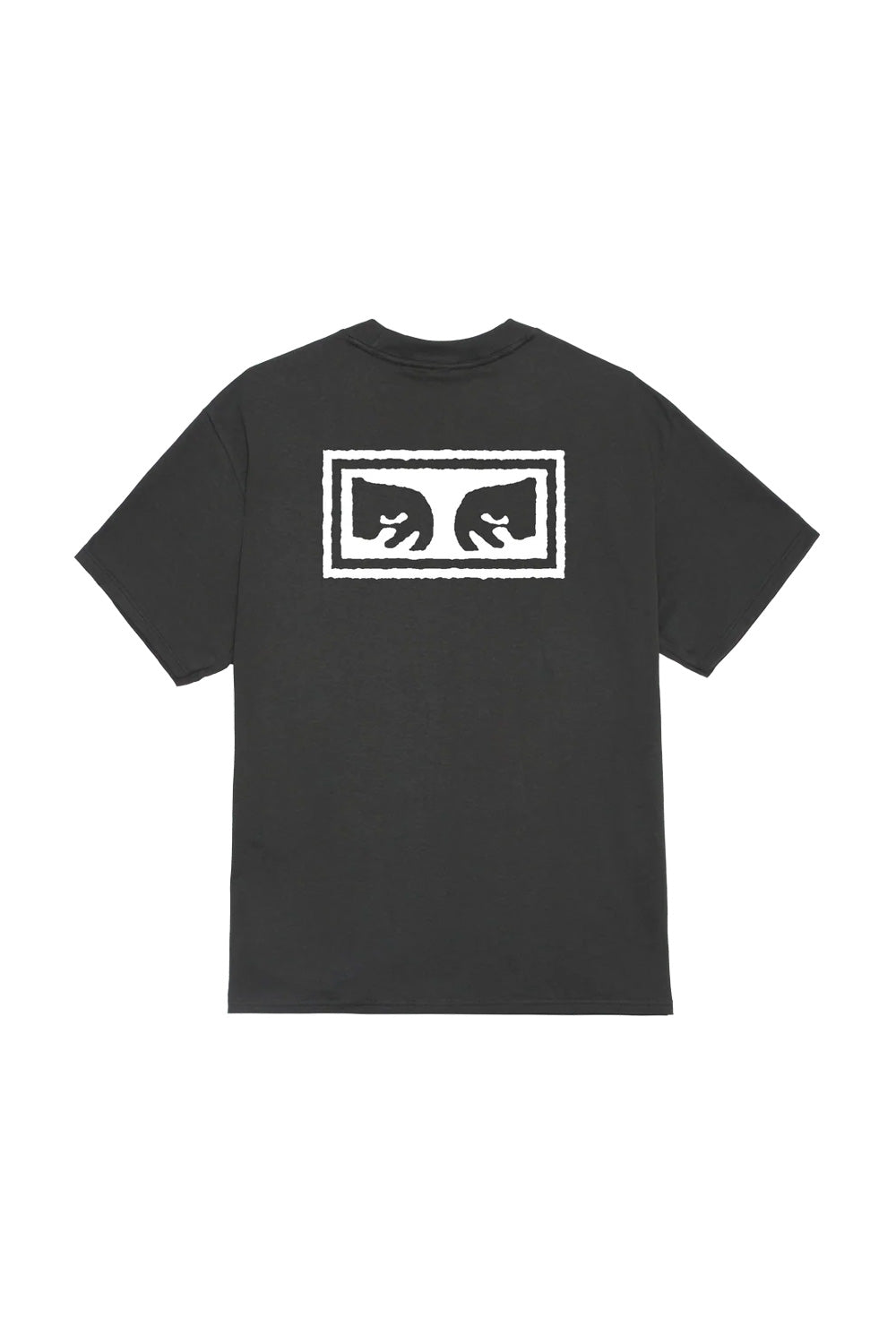
Around 2001, the worldwide guerilla bombing run had spiraled so far out of control that the next move was unavoidable. Fairey founded Obey Clothing to hammer his graphic language off rusted construction fences, bridge pillars, and condemned walls straight onto heavyweight cotton. Obey clothing operated from day one as a walking billboard for the pavement. The fuel came straight from the noise of scratched punk records, photocopied fanzines, sleepless nights, and a deep-seated contempt for the system. Whether it is a classic Obey t-shirt stamped with the cold stare of the Andre icon or heavy utility jackets borrowing silhouettes directly from rugged workwear: every single piece carried that exact confrontational bite that made the original stickers notorious in the first place.
Why the Edges Never Got Sanded Down
More than two decades later, the operation has expanded across the globe, but the brand never let the corporate world wash its brain. Instead of turning out safe, feel-good graphics for mall mannequins, Obey still dishes out biting social criticism, cynical broadsides, and a healthy dose of disgust for the hypocritical consumer circus it occupies. The cuts are honest, durable, and engineered for real life. These clothes take endless rainy nights and rough concrete curbs in stride, looking just as good when battered with street dirt, sweat, and cheap beer.
Why Obey Holds Down Real Estate at Bonkers
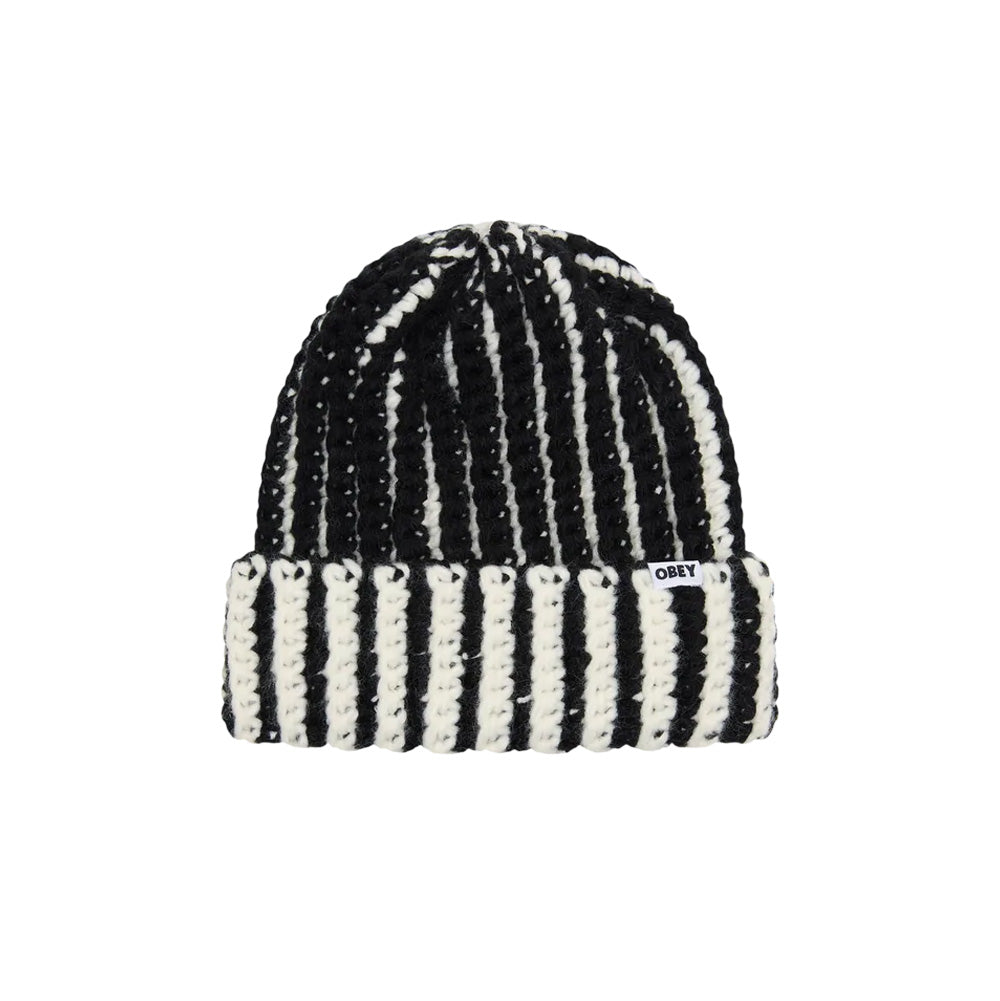
In our Obey shop at Bonkers, this gear does not sit on the racks to chase fifteen minutes of internet hype. The brand belongs here because the foundation has never been tampered with: raised on the sidewalk, independent in the skull, and carrying zero respect for culture vultures trying to declaw the scene. Obey serves as a daily reminder of where this entire thing started and why a good graphic needs to hit harder than a fist to the jaw.